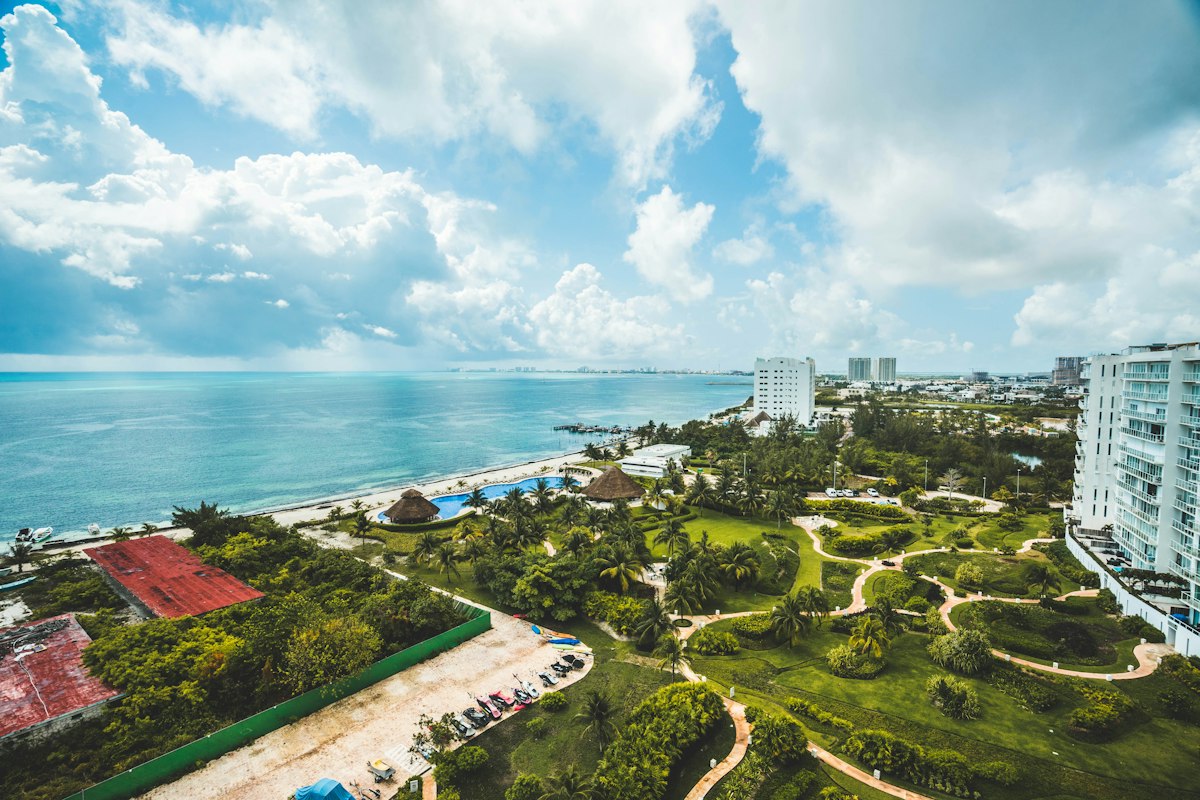
Two names dominate almost every conversation about buying property on the Riviera Maya: Tulum and Playa del Carmen. They sit less than an hour apart on the same Caribbean coast, share the same white sand and cenote-riddled jungle, and are marketed with nearly identical stock photography. Yet as investment markets and as places to actually live, they could hardly be more different.
If you are weighing one against the other for 2026, this guide breaks down what really separates them — beyond the drone shots.
The Two Markets in One Sentence Each
Playa del Carmen is a functioning city of roughly 300,000 people with real infrastructure, a mature rental market, and a decade-plus track record of resale liquidity.
Tulum is a smaller, younger, faster-growing town that trades on brand and lifestyle, with newer construction, higher headline appreciation claims, and considerably more volatility.
Everything below is a variation on that theme.
Price Per Square Meter: What You Actually Pay
In 2026, a well-located condo in Playa del Carmen’s walkable core typically runs MXN 65,000–95,000 per m² (roughly USD 3,600–5,300). A one-bedroom in a good building near Quinta Avenida lands around USD 180,000–250,000.
Tulum is genuinely more expensive per square meter for comparable finish quality, largely because nearly everything is new construction sold at pre-sale premiums. Expect MXN 75,000–120,000 per m² (roughly USD 4,200–6,700), with boutique jungle-chic developments pushing higher. A comparable one-bedroom often starts at USD 220,000 and climbs quickly.
The counterintuitive takeaway: Tulum is not the “cheaper up-and-coming” option many buyers assume. You pay a premium for the name.
Rental Income: Occupancy vs. Nightly Rate
This is where the two markets diverge most sharply.
Playa del Carmen offers steadier, more predictable rental income. It attracts a mix of tourists, digital nomads, and longer-stay renters, so occupancy holds up across seasons. Realistic gross yields on well-managed condos run 6–9% annually.
Tulum delivers spectacular nightly rates in high season — a design-forward villa can command USD 300–600 per night in December and January — but occupancy is lumpy. The town has also been dogged by two persistent problems: seasonal sargassum (seaweed) on the beaches and an oversupply of new short-term-rental inventory. Gross yields look great on paper at 8–12%, but the variance is high, and vacancy in shoulder season is real.
A useful rule: Playa is a market you can underwrite conservatively. Tulum requires you to believe in your specific property’s marketing and management.
Infrastructure and Daily Life
For anyone planning to live in their property rather than just rent it, this category is decisive.
- Playa del Carmen has hospitals, international schools, large supermarkets, reliable municipal water and power, and a genuine commercial center. Day-to-day life is easy.
- Tulum has improved but still shows growing pains: patchy electricity, water-pressure issues in some developments, fewer full-service medical options, and infrastructure that has struggled to keep pace with construction. The new Tulum International Airport (TQO), opened in late 2023, has meaningfully improved access and is a genuine tailwind for the area.
The Maya Train now connects both towns, which strengthens the whole corridor — but it changes Tulum’s accessibility story more than Playa’s.
The Appreciation Question
Tulum’s appreciation narrative is louder, and over the past decade land near town did rise dramatically. But 2026 buyers are arriving after that first wave. A large pipeline of pre-sale inventory is now delivering simultaneously, which caps near-term price growth and, in some sub-markets, has softened resale prices.
Playa del Carmen’s appreciation is more modest but more consistent, supported by a deep resale market that makes exiting a position far easier. If liquidity matters to you — the ability to sell when you choose rather than when a buyer happens to appear — Playa has the clear edge.
Who Should Buy Where
Choose Playa del Carmen if you:
- Want dependable, year-round rental income
- Value resale liquidity and a proven market
- Plan to live there part- or full-time
- Prefer conservative underwriting over upside stories
Choose Tulum if you:
- Are buying a lifestyle asset you love regardless of yield
- Can tolerate income volatility and active management
- Believe in a specific development’s brand and location
- Want the design-forward, jungle-luxury aesthetic Tulum is known for
A Note on Buying Safely in the Restricted Zone
Both towns sit inside Mexico’s coastal “restricted zone,” meaning foreigners buy through a bank trust (fideicomiso) rather than direct title. This is completely normal, well-established, and secure — but it requires the right notary (notario público) and clean title verification. In fast-growth Tulum especially, some land has clouded or ejido (communal) title history, so due diligence is non-negotiable. Never wire funds against a verbal promise or a WhatsApp screenshot; insist on a notary-vetted transaction.
The Honest Bottom Line
For most foreign buyers in 2026 whose primary goal is a sound, liquid, income-producing asset, Playa del Carmen is the lower-risk choice. For buyers who want a lifestyle trophy and have the appetite and management bandwidth for a more speculative play, Tulum still has its appeal — provided you buy a genuinely differentiated property and do not overpay for the brand.
The worst outcome is buying Tulum expecting Playa’s stability, or buying Playa expecting Tulum’s headline appreciation. Match the market to your actual goal.
Let’s Find the Right Fit for You
Every buyer’s situation is different — your budget, your timeline, whether you want cash flow or a home. Our team can walk you through specific listings in both markets, explain the fideicomiso process step by step, and help you avoid the title pitfalls that trip up first-time foreign buyers.
Book a free, no-pressure consultation with us on WhatsApp and we’ll help you figure out which market — and which property — actually fits your plans for 2026.
Ready to Take the Next Step?
Schedule a free consultation with our Yucatán real estate specialist.
💬 Chat on WhatsApp